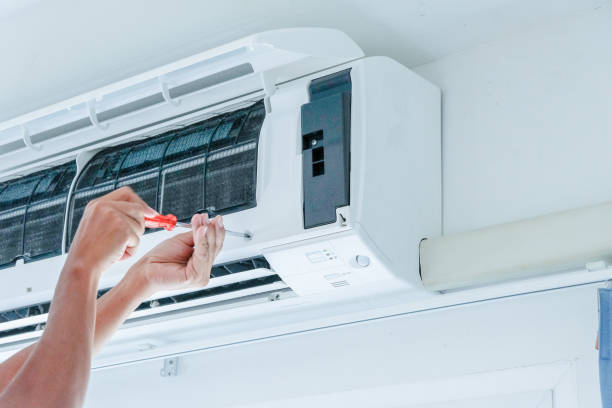
An air conditioning unit plays a vital role in maintaining indoor comfort, especially during warmer months. However, like any mechanical system, it can develop problems over time. Recognizing the early signs of trouble can save you from costly repairs or complete system failure.
– Low Refrigerant Levels: A refrigerant leak may prevent your system from cooling properly.
– Compressor Issues: If the compressor is malfunctioning, the system won’t circulate refrigerant effectively.
– Thermostat Problems: A faulty thermostat might not signal the AC to provide the correct temperature settings.
Weak airflow could indicate an underlying issue like:
– Clogged Air Filters: Dust and debris can block airflow in your HVAC system.
– Ductwork Obstructions: Leaks or blockages in the ductwork could restrict proper circulation.
– Blower Motor Malfunction: A failing blower motor might not distribute air effectively throughout your home.
Air conditioners normally operate with minimal noise, but certain sounds are a red flag for repair needs: – Grinding or Screeching Sounds: These could indicate motor or belt problems.Hissing or Bubbling Noises: Often associated with refrigerant leaks.Banging or Rattling Noises: These may point to loose components within the AC.
Your AC not only cools your home but also helps maintain comfortable humidity levels. If you notice persistently high humidity indoors, it could mean: – The unit’s dehumidification feature is not functioning as intended. – There may be an issue with refrigerant levels or evaporator coils.
A sudden spike in energy costs without a change in usage patterns often signals inefficiency in your HVAC system: | Possible Causes | Description | |—————–|————-| | Dirty Components | Dirty filters or coils force your unit to work harder than usual, raising energy consumption. | | Aging System | Older systems naturally lose efficiency over time and require more energy to perform effectively. | | Frequent Cycling | Short cycling can place strain on components and increase energy waste.
When Should You Call a Professional?
While some maintenance tasks like cleaning filters are manageable for homeowners, issues such as refrigerant leaks, electrical failures, and mechanical repairs require a licensed HVAC professional’s expertise for safe and effective resolution.
Recognizing these key signs early allows you to schedule timely repairs before minor issues escalate into major ones that compromise comfort and efficiency at home.
How to Handle San Antonio AC Repair When Your Air Conditioner Isn’t Cooling Properly
A properly functioning air conditioner is essential for comfort during warmer months. However, when your AC unit fails to cool effectively, it can lead to discomfort, inefficiency, and increased energy costs. Identifying why your air conditioner isn’t cooling properly and taking appropriate steps to resolve the issue is crucial. Below are some common causes and solutions.
Common Reasons for Cooling Issues
- Over time, air filters can accumulate dust, dirt, and debris.
- Restricted airflow reduces the system’s efficiency and cooling ability.
- Solution: Check and replace air filters regularly—usually every 1-3 months depending on usage.
- Low refrigerant levels hinder the cooling process by preventing proper heat transfer.
- Signs of a leak include ice buildup on coils or hissing sounds near refrigerant lines.
- Solution: Hire a licensed HVAC technician to locate and repair leaks, followed by recharging the refrigerant to recommended levels.
- Outdoor condenser units can become clogged with dirt, leaves, or other debris over time.
- Dirty coils make it harder for the unit to release heat outside, reducing cooling efficiency.
- Solution: Inspect and clean condenser coils regularly using a soft brush or water hose.
- Incorrect thermostat settings or malfunctions can cause cooling inefficiencies.
- A thermostat placed in direct sunlight may give false temperature readings.
- Solution: Ensure your thermostat is set correctly (e. g. , “Cool” mode) and placed in an optimal location away from heat sources.
- Systems that don’t receive routine maintenance can develop underlying issues that affect performance.
- Neglecting annual tune-ups may cause components like fans or belts to wear out unnoticed.
- Solution: Schedule yearly professional inspections and maintenance for your AC unit.
Troubleshooting Checklist
| Problem | Potential Cause | Action Required |
| Limited airflow | Clogged filters | Replace filters |
| Hot air coming from vents | Refrigerant leak | Contact an HVAC professional |
| Strange odors | Mold in ductwork | Clean ducts professionally |
| Unit not turning on | Electrical issue | Inspect circuit breaker; call a pro if unresolved |
When Professional Help Is Necessary
- Refrigerant handling requires certification as it involves hazardous chemicals.
- Problems with electrical components need professional diagnosis to ensure safety.
- Persistent issues like short cycling (frequent starting/stopping) often indicate deeper mechanical faults that only trained technicians can address effectively.
Regular upkeep combined with timely repairs will help maintain your AC’s performance while extending its lifespan. Proactively addressing cooling problems ensures you stay comfortable while minimizing energy waste and costs associated with inefficient systems.
High Indoor Humidity Levels and Why They Signal the Need for AC Repair
High indoor humidity levels can create an uncomfortable environment in your home while also potentially causing long-term damage to your property. When your air conditioning (AC) system is working correctly, it helps regulate both temperature and indoor humidity. However, if your home feels excessively sticky or damp, this could indicate a problem with your AC system that requires immediate attention.
How Your AC System Regulates Humidity
Your air conditioner doesn’t just cool the air; it also dehumidifies it by removing moisture as part of the cooling process.
– Warm indoor air passes over the evaporator coil in your unit.
– The coil cools the air, causing condensation to form and remove moisture from the air.
– The dehumidified air is then circulated back into your home while excess water is drained away.
When this process isn’t functioning properly, you might notice an increase in humidity levels indoors.
Signs Your AC Might Be Struggling with Humidity Control
If you’re unsure whether high humidity levels are related to an issue with your cooling system, look out for these signs:
1.Sticky or Damp Feeling Indoors– Even when the thermostat setting seems appropriate, excessive moisture can leave your home feeling clammy or uncomfortable.
2.Condensation on Windows or Walls– Visible water droplets on glass surfaces signal excess interior moisture levels.
3.Musty Odors– Higher humidity can lead to mold and mildew growth, which often results in unpleasant smells throughout your home.
Potential Causes of High Indoor Humidity Levels from Your AC System
| Cause | Description | Possible Solutions |
| Undersized or Oversized Unit | An improperly sized unit won’t be able to maintain optimal temperature and humidity effectively. | Consult a professional for proper unit sizing |
| Dirty Evaporator Coils | Dust and grime on coils reduce efficiency in removing heat and moisture from the air. | Schedule routine maintenance cleaning |
| Clogged Drain Line | If water can’t drain away properly, it may accumulate inside or cause increased indoor humidity | Clear drain line blockages |
| Refrigerant Issues | Low refrigerant levels impair the cooling process, impacting both temperature control and dehumidification | Have a technician check refrigerant levels |
Why You Should Address This Problem Quickly
Ignoring high humidity issues caused by a malfunctioning AC system can lead to several problems: – Health Hazards: Excessive indoor moisture creates a breeding ground for mold spores, dust mites, and other allergens that can worsen respiratory conditions.Property Damage: High moisture content may cause wood flooring to warp, paint to peel off walls, or even structural damage over time.Higher Energy Costs: A struggling HVAC unit will consume more energy trying (and failing) to reach desired comfort levels.
Professional Solutions for High Humidity Problems
If you suspect that high indoor humidity is due to issues within your AC system:
– Contact a licensed HVAC technician who can diagnose faults with precision. – Invest in regular maintenance services such as coil cleaning and drain line inspections. – Consider installing additional equipment like a whole-home dehumidifier for enhanced control over indoor conditions.
By addressing high indoor humidity promptly through proper repair services or upgrades when necessary, you’ll ensure a healthier living environment while maintaining energy efficiency year-round.
How to Address Weak Airflow and Poor Circulation with AC Repair San Antonio TX
Weak airflow and poor circulation in your HVAC system can lead to discomfort, inefficient energy use, and potential damage to your air conditioning unit. Recognizing the underlying causes and addressing them promptly is essential to maintaining a functional and energy-efficient cooling system. Below, we delve into the common reasons for weak airflow, steps you can take to fix the issue, and how regular maintenance can prevent similar problems.
Common Causes of Weak Airflow in HVAC Systems
Several factors contribute to reduced airflow.
- Clogged Air Filters
Air filters trap dust, dirt, and other particles from circulating through your home. A clogged filter restricts airflow, forcing your system to work harder than necessary. - Blocked or Leaky Ductwork
Obstructions or leaks in ductwork can impede proper air circulation. Leaks allow conditioned air to escape before it reaches its intended destination, while blockages restrict flow entirely. - Failing Blower Motor
The blower motor is responsible for pushing air through the ducts. Over time, wear and tear or electrical issues can cause it to malfunction, reducing its power. - Dirty Evaporator Coils
Dust accumulation on evaporator coils reduces heat absorption capacity. This not only impacts cooling efficiency but also hinders proper airflow. - Incorrectly Sized System
If your HVAC system is too small or too large for your home’s square footage, it may struggle with adequate airflow and fail to maintain consistent comfort levels.
How to Address Weak Airflow Issues
- Inspect and Replace Filters Regularly
Check air filters monthly and replace them every one to three months (depending on usage). This simple step ensures optimal airflow. - Seal Duct Leaks
Hire professionals to inspect your ductwork for leaks or loose connections. Proper sealing improves efficiency and ensures consistent delivery of conditioned air. - Clean Components Regularly
Schedule routine cleaning of evaporator coils, blower fan blades, and duct vents to remove dust accumulation that hinders performance. - Repair or Replace Faulty Parts
If components like the blower motor are damaged beyond repair, consult an HVAC technician for replacement parts suitable for your unit model. - Assess System Size During Replacement
When installing a new unit or replacing an old one, ensure it is appropriately sized based on a professional load calculation.
Preventative Maintenance Is Key
| Maintenance Task | Frequency | Responsible Party |
| Replace Air Filters | Every 1–3 months | Homeowner |
| Professional Inspection | Annually | Licensed HVAC Technician |
| Duct Cleaning | Every 3–5 years | Professional Duct Cleaner |
Routine care not only maintains consistent airflow but also extends the lifespan of your HVAC system while keeping energy bills manageable.
When Should You Call a Professional?
- Persistent weak airflow despite basic troubleshooting
- Unusual noises accompanying poor circulation
- A sudden spike in energy bills without increased usage
- Hot spots developing in certain areas of your home
Contacting an experienced technician ensures accurate diagnosis and repair without risking further damage caused by DIY attempts at complex fixes.
Addressing weak airflow issues promptly will improve comfort within your living spaces while ensuring that your HVAC system operates efficiently year-round. With proper care and timely repairs when needed, you’ll avoid costly breakdowns and enjoy enhanced indoor air quality throughout all seasons.
Identifying the Causes of Strange Noises in Your Air Conditioner and Their Impact on Performance
Strange noises coming from your air conditioner can often signal underlying issues that require immediate attention. Understanding these sounds and their causes is essential to prevent further damage to your HVAC system. Below, we’ll explore common noises, their potential sources, and how they can affect your air conditioner’s performance.
Common Types of AC Noises and What They Mean
- Cause: Loose or broken parts inside the compressor or blower assembly.
- Impact: If left unaddressed, this issue could lead to severe internal damage or even a complete system breakdown.
- Cause: Possible electrical issues such as loose wiring, malfunctioning relays, or failing capacitors.
- Impact: Electrical problems can pose safety risks and compromise the reliability of your AC unit.
- Cause: Refrigerant leaks or ductwork issues such as gaps and cracks.
- Impact: Loss of refrigerant reduces cooling efficiency and might lead to additional strain on the system.
- Cause: Worn-out fan belts or motor bearings.
- Impact: Ignoring this problem can cause motor failure, resulting in costly repairs.
- Cause: A faulty thermostat, damaged control panel, or obstruction in the blower fan.
- Impact: Clicking sounds during startup might signal impending electrical failures that disrupt operation.
How Strange Noises Affect Performance
Strange noises are often symptoms of larger problems that impair your AC’s overall effectiveness.
- Reduced Efficiency:Internal malfunctions force the unit to work harder than necessary, leading to higher energy consumption.
- Increased Wear:Running an air conditioner with unresolved mechanical issues accelerates wear on components like motors and compressors.
- Shortened Lifespan:Persistent neglect of noise-related problems can reduce your HVAC system’s lifespan significantly.
- Higher Repair Costs:Addressing small issues early prevents them from escalating into expensive repairs requiring part replacement or system overhauls.
When to Call for Professional Repairs
If you hear any unusual sounds coming from your air conditioning unit, it’s critical to act promptly by seeking professional assistance.
- The noise persists even after routine maintenance checks.
- The sound becomes louder over time, indicating worsening conditions.
- Your AC fails to maintain consistent temperatures alongside producing strange noises.
Noise Troubleshooting Tips for Homeowners
| Noise Type | DIY Troubleshooting Steps | When to Call a Technician |
| Banging/Clanking | Ensure no objects are obstructing moving parts inside the unit | If internal components appear damaged |
| Buzzing | Check for loose wires around accessible panels (power off first) | If buzzing continues after securing wiring |
| Hissing | Inspect visible ductwork for gaps | For refrigerant leaks requiring specialized tools |
| Squealing | Tighten loose belts if possible | If replacing motor bearings is required |
Remember that while basic troubleshooting may provide temporary relief, improper handling of complex parts could worsen existing problems.
By staying vigilant about unusual noises and addressing them appropriately, you’ll ensure optimal performance while extending the life of your cooling system.
Understanding Short Cycling in Your AC System and Why Air Conditioning Repair San Antonio TX is Essential
Short cycling is a common yet serious issue affecting air conditioning systems. It occurs when your AC unit turns on and off frequently without completing a full cooling cycle. This behavior indicates an underlying problem that could lead to decreased efficiency, higher energy bills, and potential system failure if not addressed promptly. Understanding the causes and consequences of short cycling is crucial for maintaining the longevity and performance of your HVAC system.
Common Causes of Short Cycling
- Incorrectly Sized Unit: An oversized air conditioner cools your home too quickly, causing the system to shut off before completing its cycle. Conversely, an undersized unit may overwork itself trying to maintain the set temperature.
- Refrigerant Issues: Low refrigerant levels or refrigerant leaks can cause abnormal pressure in the system, leading to short cycling.
- Thermostat Problems: Faulty thermostat placement or calibration can result in inaccurate temperature readings, signaling the AC to shut off prematurely.
- Dirty Air Filters: Clogged filters restrict airflow, forcing the compressor to work harder than necessary and potentially causing it to overheat and shut down intermittently.
- Electrical Issues: Faulty wiring or damaged components within the AC system can disrupt normal operation, triggering short cycles.
Risks Associated with Short Cycling
- Increased Energy Consumption: Frequent start-stop cycles require more energy than continuous operation during a proper cooling cycle, leading to higher utility bills.
- Wear and Tear on Components: Repeated cycling places undue stress on vital parts like compressors, fans, and motors, potentially shortening their lifespan.
- Reduced Cooling Efficiency: Inconsistent operation may prevent your home from reaching or maintaining a comfortable temperature.
- Potential System Failure: Prolonged neglect of short cycling problems increases the likelihood of complete system breakdowns that require costly repairs or replacement.
How Professionals Diagnose Short Cycling
| Diagnostic Focus | Potential Problem Area |
| Thermostat Settings | Miscalibration or poor placement |
| Refrigerant Levels | Leaks or undercharged refrigerant |
| Electrical Components | Faulty circuitry or damaged connections |
| Airflow Restrictions | Blocked vents or dirty filters |
| System Sizing | Improperly matched unit size for home demand |
Steps Homeowners Can Take
- Cleaning or replacing dirty air filters.
- Ensuring all vents are open and unobstructed.
- Checking thermostat settings for accuracy.
If these measures don’t resolve the issue, it’s important to consult a professional HVAC technician promptly.
Addressing short cycling early prevents further damage while restoring efficient cooling performance—ensuring comfort during warm months while protecting your investment in your air conditioning system.
The Importance of Hiring Professional HVAC Services for Reliable and Safe Repairs
When dealing with a malfunctioning HVAC system, it’s tempting to consider a DIY approach or seek low-cost alternatives. However, hiring professional HVAC services from San Antonio AC Repair is critical for ensuring both the reliability and safety of your repairs. Below are several key reasons why trusting qualified technicians is essential when addressing your cooling and heating system’s issues.
Expertise and Specialized Knowledge
Certified HVAC professionals possess extensive training and in-depth knowledge about a variety of systems, components, and technologies.
– Accurately diagnose problems: Whether it’s a refrigerant leak or an electrical issue, professionals can identify the root cause faster than an untrained individual.
– Provide effective solutions: With access to advanced tools and training, they ensure the problem is resolved efficiently without causing unintended damage.
Ensuring Safety During Repairs
HVAC systems involve electrical wiring, refrigerants, gas connections, and high-powered equipment that can pose significant risks if handled improperly.
– Electrical shocks or short circuits
– Refrigerant exposure that could harm health or the environment
– Fires caused by improper handling of gas-powered components
Long-Term Cost Savings
While professional services may seem costlier upfront compared to DIY fixes or hiring unlicensed workers, they provide long-term financial benefits by:
1. Reducing repeat repairs due to improper fixes.
2. Extending the lifespan of your HVAC system through proper maintenance and repair practices.
3. Improving energy efficiency by ensuring all components are working optimally.
| Service Type | DIY/Unlicensed Repair | Professional Service |
| Initial Cost | Low | Moderate |
| Risk of Recurring Issues | High | Low |
| Energy Efficiency Outcomes | Unpredictable | Consistently Improved |
Access to Warranty Protections
Many HVAC manufacturers require professional installation or service for warranty claims to remain valid. Attempting repairs yourself or working with unqualified technicians might lead to voiding your warranty entirely—leaving you responsible for costly future repairs.
Enhanced System Performance
Certified professionals ensure that every component operates at peak efficiency after servicing: – Proper refrigerant levels restore cooling power. – Cleaned filters improve indoor air quality. – Well-calibrated thermostats ensure accurate temperature control.
This not only enhances comfort but also minimizes energy waste.
Peace of Mind
Hiring reputable professionals provides confidence that the job will be done correctly the first time without cutting corners. Many companies offer guarantees or warranties on their workmanship, giving homeowners added security in their investment.
Key Takeaways
Relying on professional HVAC services ensures reliable diagnostics, safer repair processes, protection of manufacturer warranties, and long-term cost savings while delivering better performance from your system overall. Prioritizing expert assistance offers peace of mind that cannot be matched by DIY efforts or uncertified alternatives.
How to Spot Health and Comfort Risks Related to a Malfunctioning Cooling System
A malfunctioning cooling system isn’t just an inconvenience; it can also pose serious risks to your health and overall comfort. Recognizing these risks early can help you avoid potential hazards and ensure a safe indoor environment. Below, we outline some of the health and comfort issues associated with a faulty HVAC system and how to address them effectively.
Common Health Risks
- Poor Indoor Air Quality
A defective air conditioner can lead to poor air filtration, allowing dust, allergens, mold spores, and other pollutants to circulate indoors. This poor air quality can exacerbate respiratory problems such as asthma or allergies. - Signs:Frequent sneezing, coughing, or worsening asthma symptoms indoors.
- Solution:Check if the air filters are clogged or dirty. Replace them every 1-3 months for optimal performance.
- Mold Growth
If your AC isn’t properly dehumidifying the air, excess moisture can create conditions ideal for mold growth. Mold not only damages property but also causes health issues like headaches, skin irritation, or severe allergic reactions. - Signs:Musty odors or visible mold near vents or ducts.
- Solution:Schedule professional maintenance to inspect the system for moisture problems and clean air ducts.
- Temperature-Related Illnesses
An underperforming cooling system may fail to regulate indoor temperatures during extreme weather conditions, potentially leading to heat exhaustion or heatstroke in vulnerable individuals such as children or older adults.
Comfort Issues Caused by Malfunctioning Systems
- Inconsistent Temperatures Across Rooms
A faulty HVAC system often results in uneven cooling within different parts of your home. Some rooms may feel too warm while others are uncomfortably cold. - Cause:Damaged ductwork or weak airflow.
- Fix:Arrange for an HVAC technician to inspect and repair damaged components such as ducts or blower motors.
- Increased Noise Levels
Unusual sounds like banging, clicking, or humming from your AC unit disrupt comfort levels at home while signaling underlying mechanical problems.
Preventive Measures for Sustainability
- Schedule annual maintenance checks with certified HVAC professionals.
- Regularly replace filters to improve airflow efficiency.
- Monitor humidity levels indoors using a hygrometer; maintain recommended levels between 30%–50%.
- Invest in programmable thermostats that help maintain consistent temperatures without overworking your AC unit.
| Risk Category | Common Causes | Suggested Solution |
| Poor Air Quality | Dirty Filters | Replace filters regularly |
| Mold Growth | Excess Moisture | Professional duct inspection/repair |
| Temperature Issues | Faulty Thermostat/Ducts | Regular maintenance and thermostat upgrades |
By keeping these points in mind, you’ll not only enhance comfort but also protect your household from potential health hazards associated with an inefficient HVAC system.
- Identifying Signs Your Air Conditioning Needs Repair from a Trusted HVAC Company San Antonio TX
- How to Identify When You Need San Antonio AC Repair or a Full HVAC Replacement
- Timely AC Repair San Antonio TX: Ensuring Optimal HVAC Performance
- 10 Essential Tips for Finding Affordable AC Repair San Antonio TX Services
- How to Find the Best AC Repair San Antonio TX and Ensure Quality Repair Services
- Identifying the Signs That Call for Immediate San Antonio AC Repair
- Finding the Best San Antonio AC Repair Services for Reliable Results
- How to Choose the Best HVAC Company for AC Repair San Antonio TX
- Timely San Antonio AC Repair: Why It’s Crucial for Your Home