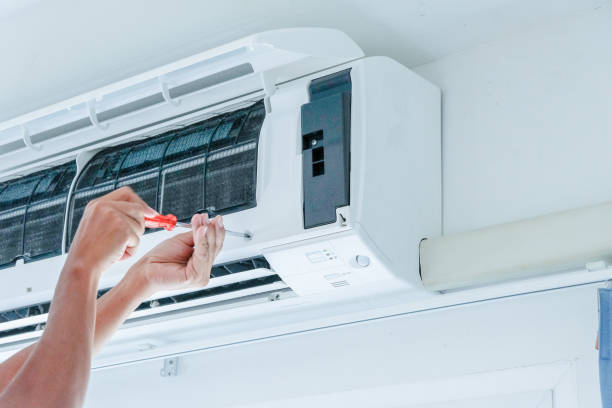
When your HVAC system requires repair, finding an affordable yet reliable service provider can seem overwhelming. To help you navigate this process, here are 10 essential tips to ensure you find a cost-effective solution without compromising quality.
1. Research Local HVAC Companies
Start by researching HVAC repair companies in your area. Use online directories, review websites such as Yelp or Google Reviews, and ask for recommendations from friends or family. A local company often provides faster service and may have lower travel-related charges.
2. Request Multiple Quotes
Don’t settle on the first estimate you receive. Gather at least three quotes from different companies to compare pricing, services offered, and any hidden fees. An upfront comparison can save you money and provide a clearer picture of what is reasonable in your area.
3. Look for Promotions or Discounts
Many HVAC companies offer seasonal promotions or discounts for first-time customers, senior citizens, or military personnel. Check their websites or call directly to inquire about special offers that could reduce costs.
4. Check Certification and Licensing
Affordable pricing should not mean compromising on qualifications. Always verify that the company holds proper licenses and certifications to perform HVAC repairs in your state or region.
5. Read Customer Reviews
Customer reviews can reveal a lot about affordability and reliability. Look for patterns in reviews regarding fair pricing practices, responsiveness, and overall service satisfaction to gauge whether the company offers value for money.
6. Consider Maintenance Plans
Some companies offer maintenance plans that include routine inspections along with discounted repairs when needed. If you anticipate frequent HVAC services in the future, this option can help reduce long-term costs.
7. Verify Warranty Availability
Ask if the company provides warranties on both parts and labor for completed repairs. A warranty ensures you won’t have to pay out-of-pocket if something goes wrong shortly after the service is completed.
| Warranty Type | Coverage Details | Typical Duration |
| Parts-Only Warranty | Covers replacement parts used during repairs | 1–5 years |
| Labor Warranty | Covers workmanship errors by technicians | 30 days – 1 year |
8. Avoid Overpriced Emergency Services
Emergency repair calls are often more expensive than standard appointments due to after-hours rates or expedited scheduling fees. If possible, schedule non-urgent repairs during normal business hours to save money.
9. Ask About Financing Options
If major repairs are needed but upfront costs are high, inquire whether the company offers financing options with reasonable interest rates or payment plans that fit your budget.
10. Trust Your Instincts
Affordability doesn’t just involve numbers—it’s also about transparency and professionalism of the provider. If something feels off during initial interactions (e.g., vague answers about pricing), consider exploring other options instead of risking potential issues later on.
By following these steps diligently, you’ll be well-equipped to find a reputable HVAC company that meets both your needs and budget requirements efficiently while maintaining quality standards throughout their services.
Finding the Best San Antonio AC Repair Services for Your HVAC Needs
When it comes to HVAC repair, understanding your specific needs can significantly improve the quality of service you receive. Not all HVAC issues are the same, and identifying what exactly requires attention can save time, money, and energy. Here’s how you can better understand your situation before hiring a professional.
Top Reasons to Call for Air Conditioning Repair San Antonio TX
- Uneven Heating or Cooling: Certain rooms in your home may feel warmer or colder than others.
- Unusual Noises: Squealing, grinding, or banging noises may indicate mechanical problems.
- Poor Airflow: Weak airflow from vents could be a sign of clogged filters or ductwork issues.
- Frequent Cycling: The system turns on and off too frequently, which may signal thermostat problems or an oversized/undersized unit.
- Unpleasant Odors: Musty or burning smells coming from the vents could suggest mold growth or electrical problems.
By noting these symptoms before contacting a technician, you can provide valuable information that helps pinpoint the issue faster.
Steps to Assess Your System with an HVAC Company San Antonio TX
- Inspect Your Thermostat Settings
Ensure that the thermostat is set correctly and functioning properly. Sometimes, simple adjustments resolve heating or cooling concerns without needing professional intervention. - Check Air Filters
Dirty air filters restrict airflow and reduce efficiency. Replace them if they haven’t been changed recently. - Examine Outdoor Components
Check if debris like leaves or dirt is blocking the outdoor condenser unit. Keeping it clean ensures proper operation. - Listen for Strange Sounds
Note any unusual sounds when your system runs, as they often indicate internal component wear. - Monitor Energy Bills
If you notice unusually high energy costs without increased usage, it might point toward inefficiencies in your HVAC system requiring repair.
Benefits of Knowing Your Needs Beforehand
- Streamlined Diagnosis by Professionals: Providing detailed descriptions allows technicians to diagnose problems more accurately during initial inspections.
- Reduced Unnecessary Costs: Avoid overpaying for unnecessary services by identifying minor issues that may not require immediate professional help.
- Improved Communication with Technicians: When you’re familiar with common terms (e.g., compressor failure), you’ll find it easier to discuss concerns and understand recommendations.
A Quick Reference Table for Common Issues
| Symptom | Potential Cause | Suggested Action |
| Uneven temperatures | Poor insulation/duct leaks | Consult an expert on sealing ducts |
| Weak airflow | Clogged air filters | Replace filters |
| Frequent cycling | Faulty thermostat | Have it recalibrated |
| Unpleasant odors | Mold in ducts | Schedule duct cleaning |
When It’s Time to Call a Professional
- Refrigerant leaks
- Electrical failures
- Compressor malfunctions
- Persistent airflow issues despite filter changes
In these cases, finding a licensed and insured HVAC technician ensures quality repairs while protecting your home investment.
Understanding your specific needs empowers you to approach HVAC repairs with confidence and get better results from professional services tailored to solving those exact concerns efficiently and effectively.
How to Verify Licenses and Insurance When Hiring an HVAC Repair Professional
Ensuring that the HVAC repair professional you hire is both licensed and insured is one of the most critical steps in the hiring process. Proper licensing and insurance provide assurance that the contractor is qualified, compliant with local regulations, and prepared for any unexpected issues that may arise during a repair. Here’s a detailed guide on how to verify licenses and insurance before making your choice.
Importance of Licensing
A license confirms that the technician has met required training standards and possesses adequate knowledge of HVAC systems, safety protocols, and local building codes. Hiring an unlicensed contractor can lead to:
– Poor quality repairs.
– Voided warranties on your HVAC system.
– Potential fines or legal issues if repairs don’t meet code requirements.
Licensed professionals are typically required to pass exams, complete training programs, or participate in apprenticeship programs before being granted their credentials. This ensures they have the expertise necessary to handle complex HVAC repairs safely and effectively.
How to Check for Licensing
Follow these steps to verify if an HVAC contractor is licensed:
1. Request their license number: Reputable contractors should readily provide this information when asked.
2. Check with your state or local licensing board: Most states have online databases where you can input a contractor’s license number to confirm its validity.
3. Ensure the license is up-to-date: Verify that it hasn’t expired and covers the type of work they’re performing (e.g., residential or commercial HVAC repair).
Importance of Insurance
Insurance protects both you as a homeowner and the contractor in case something goes wrong during the job. The two primary types of insurance you should confirm are:
1. Liability Insurance: Covers property damage caused by the technician during repairs. For example, if a worker accidentally damages your ductwork while performing maintenance, liability insurance ensures those damages are covered without additional costs to you.
2. Workers’ Compensation Insurance: Protects against medical expenses or lost wages if a technician is injured while working on your property.
Without proper insurance coverage, homeowners could be held financially responsible for accidents or damages.
How to Verify Insurance Coverage
When reviewing a contractor’s insurance credentials, follow these steps:
– Request proof of insurance directly from the contractor (e.g., certificate of insurance).
– Contact their insurer for confirmation that their policy remains active and covers their work scope. – Ensure coverage amounts meet industry standards; typical liability coverage ranges from $500,000–$2 million depending on project size.
Red Flags to Watch For
Be cautious if you encounter any of these warning signs when verifying licenses or insurance:
– The contractor refuses to provide documentation upon request. – You discover their license has expired or is not valid in your region. – Their insurance coverage appears inadequate for your project needs. – They discourage you from conducting independent verification.
Why This Verification Matters
Taking time to verify licenses and insurance not only protects your financial interests but also ensures peace of mind during what can be a stressful process like HVAC repair. It reduces risks related to shoddy workmanship, unexpected costs due to property damage, or liabilities stemming from workplace injuries.
By prioritizing properly licensed and insured professionals when hiring for HVAC repair services, you’re making an informed decision that sets up your project for success while minimizing risks along the way.

Key Questions to Ask About Experience and Expertise in HVAC Repairs
When hiring an HVAC repair professional, it’s essential to ensure they possess the right experience and expertise for the job. Asking the right questions during your search can help you make an informed decision, avoid subpar service, and ensure your HVAC system is in capable hands. Below are key questions to guide you through this process.
1. How Many Years of Experience Do You Have in HVAC Repairs?
- How long they have been repairing HVAC systems.
- If they specialize in residential, commercial, or both types of systems.
- Whether they have worked on systems similar to yours (e.g., specific brands or models).
2. What Certifications Do You Hold?
- NATE Certification: North American Technician Excellence certification indicates advanced knowledge of HVAC systems.
- EPA Section 608 Certification: Required for handling refrigerants safely.
- HVAC Excellence Certification: Focuses on verifying technical competence.
Ask for proof of these certifications and ensure they are up-to-date.
3. Are You Familiar with My System’s Brand or Model?
Not all technicians are skilled in working with every type of equipment. Confirm whether the professional has experience servicing your specific brand or model. Some manufacturers even provide specialized training for technicians who work on their products.
| Brand | Specialized Training Available | Key Features |
| Trane | Yes | Energy-efficient systems |
| Carrier | Yes | Advanced smart thermostat integration |
| Lennox | Yes | High-performance heating solutions |
If your system requires proprietary diagnostics or uncommon parts, this question is even more critical.
4. What Kind of Jobs Do You Typically Handle?
- Do they handle emergency repairs?
- Have they worked on complex issues like leak detection or ductwork replacement?
- Are they experienced with modern smart HVAC systems?
5. Can You Provide References from Past Clients?
- The quality of repairs.
- Punctuality and reliability.
- Customer service and communication skills.
6. What Warranties or Guarantees Do You Offer?
- Duration of the warranty (e.g., one year, two years).
- Coverage terms (e.g., parts only vs full coverage).
This demonstrates their confidence in delivering quality repairs.
Final Thoughts
These questions can help you evaluate an HVAC technician’s qualifications while ensuring transparency throughout the selection process. By focusing on experience, certifications, brand familiarity, and client feedback, you’ll be better equipped to choose a professional who meets your expectations while protecting your investment in a functional and efficient HVAC system.
Comparing Prices: Getting the Best Value for Your HVAC Repair Services
Finding the right HVAC repair service can be a complex process, especially when it comes to comparing prices. While cost is an important factor, it’s equally critical to ensure that you’re getting quality services for your investment. Below are some key steps and considerations to help you secure the best value for your HVAC repair needs.
1. Request Multiple Quotes
- A breakdown of labor costs
- Details on parts and materials
- Any additional fees (e.g., service call fees or diagnostic charges)
By comparing itemized quotes, you’ll have more clarity on how different companies structure their pricing.
2. Look Beyond the Bottom Line
- The use of substandard parts
- Limited warranty coverage or no warranty at all
- Lack of proper licensing or insurance
Ask each provider about their approach to repairs and whether they use high-quality components.
3. Check for Discounts and Promotions
- First-time customer offers
- Referral bonuses
- Off-season promotions (e.g., discounts during spring or fall)
Inquire about any available specials before committing to a provider.
4. Consider Long-Term Costs
When comparing prices, take long-term expenses into account as well. Cheaper repairs might save money upfront but could lead to recurring issues later if done incorrectly. On the other hand, investing in energy-efficient upgrades may carry higher initial costs but result in significant savings on utility bills over time.
| Repair Option | Initial Cost | Long-Term Savings | Durability |
| Basic Repairs (Low-Cost) | Low | Minimal | Short-Term |
| Comprehensive Repairs (Mid-Cost) | Moderate | Moderate | Mid-to-Long Term |
| Energy-Efficient Upgrades | High | High | Long-Term |
5. Evaluate Warranty Coverage
- Does the company offer a warranty on both labor and parts?
- What is the duration of the warranty?
- Are there any conditions that could void coverage?
A comprehensive warranty provides peace of mind and additional protection against unexpected expenses.
6. Assess Reputation and Reviews
- The accuracy of estimates
- Transparency in billing
- Value provided relative to cost
Companies with strong reputations may charge slightly more but often ensure better overall quality.
By carefully weighing these factors instead of only focusing on upfront costs, you’ll be better equipped to find an HVAC repair provider that offers good value without compromising professionalism or reliability.
Evaluating Communication and Professionalism in Choosing an HVAC Repair Provider
When it comes to selecting a reliable HVAC repair provider, communication and professionalism are two critical factors that can significantly impact your experience. A company’s ability to communicate effectively and maintain professional behavior often reflects the quality of their services. Below, we’ll explore key aspects to consider when evaluating these traits in an HVAC repair provider.
The Role of Communication
Clear and timely communication ensures that you stay informed throughout the repair process. Look for companies that prioritize transparent interactions at every stage.
- Responsiveness: An ideal provider answers calls, emails, or inquiries promptly.
- Clarity: They explain issues and solutions in layman’s terms without unnecessary jargon.
- Proactive Updates: Offering updates about service schedules, delays, or additional repairs needed demonstrates respect for your time.
- Written Estimates: Providing clear written quotes avoids any misunderstandings about costs.
A company that communicates well is more likely to ensure a smooth and satisfactory customer experience.
Signs of Professionalism
- Technicians arrive on time for appointments.
- The team notifies you promptly if there are delays.
- Workers wear protective gear like shoe covers inside your home.
- After completing repairs, they clean up the work area properly.
- They confidently address your questions without hesitation.
- Technicians thoroughly diagnose the issue before suggesting repairs.
- Clear information on warranties or guarantees is provided upfront.
- Payment terms and conditions are discussed openly without hidden fees.
Questions to Ask About Communication and Professionalism
- How soon can I expect a response when I contact your company?
- Do you provide written estimates before starting repairs?
- What steps do you take to protect customer property during service?
- Is there a point of contact assigned for updates during multi-day projects?
The answers can help determine whether their practices align with your expectations.
Comparison Table: Key Qualities to Evaluate
| Quality | Why It Matters | What to Look For |
| Responsiveness | Timely service avoids delays | Fast replies to calls/emails |
| Punctuality | Shows respect for customer schedules | On-time arrivals |
| Clarity | Helps customers understand repair details | Use of simple language |
| Respectful Behavior | Builds trust | Care taken with property |
Selecting an HVAC repair provider who communicates effectively and demonstrates professionalism creates a more positive overall experience. Taking the time to evaluate these aspects ensures you’re working with someone who values both quality workmanship and excellent customer service.
Why Energy-Efficient Options Matter When Considering HVAC Repairs
When repairing or upgrading your HVAC system, energy efficiency is an important factor to consider. Choosing energy-efficient options not only helps reduce environmental impact but also saves money in the long run through decreased energy consumption. Below, we explore why energy-efficient HVAC solutions should be a priority and the benefits they offer for both homeowners and businesses.
The Importance of Energy Efficiency in HVAC Repairs
Energy efficiency refers to achieving the same level of comfort or functionality while using less energy. When it comes to HVAC systems, this can mean improved heating, cooling, and ventilation performance with reduced electricity or fuel usage. Older systems or poorly maintained ones typically consume more energy than necessary, driving up utility bills unnecessarily.
Common Inefficiencies in Older Systems: – Outdated technology that cannot meet modern efficiency standards. – Worn-out components like motors, compressors, or fans. – Poor insulation and leaking ductwork leading to heat loss or gain.
Repairing these issues with a focus on energy-efficient upgrades can significantly improve system performance while lowering operational costs.
Benefits of Choosing Energy-Efficient Repair Options
- An efficient system consumes less power to achieve desired temperature levels, directly reducing monthly expenses.
- According to ENERGY STAR®, homeowners can save up to 20% annually by upgrading their systems to high-efficiency models.
- Properly repaired and efficient components reduce strain on the overall system, preventing unnecessary wear and tear.
- Reduced workload minimizes the likelihood of frequent breakdowns.
- Lower energy consumption leads to fewer greenhouse gas emissions.
- Helps contribute toward global climate goals by reducing carbon footprints.
- Modern systems with smart thermostats ensure consistent temperature control.
- Enhanced airflow and heating/cooling distribution provide better indoor air quality and comfort.
Energy-Saving Features to Look for in an HVAC System
| Feature | Benefit |
| Variable-Speed Motors | Adjusts speed based on demand for greater efficiency. |
| Smart Thermostats | Allows precise control over temperature settings remotely. |
| Sealed Ductwork | Prevents air leaks that waste conditioned air. |
| High-SEER Rated Equipment | Ensures maximum cooling output per watt of electricity used. |
These features illustrate how modern technology focuses on achieving higher efficiency without compromising performance.
How Professionals Can Help You Maximize Efficiency
Licensed HVAC professionals are trained not only to repair issues but also to recommend upgrades tailored for better performance and cost savings. When discussing repair options with your contractor: – Ask whether parts can be replaced with ENERGY STAR-certified components. – Inquire about conducting an energy audit of your home or building before starting repairs. – Request advice on routine maintenance practices that maintain optimal efficiency over time (e.g., cleaning filters regularly).
By addressing both immediate repair needs and long-term environmental concerns, you’ll achieve cleaner air quality indoors while keeping operating costs manageable.
- Identifying Signs Your Air Conditioning Needs Repair from a Trusted HVAC Company San Antonio TX
- How to Identify When You Need San Antonio AC Repair or a Full HVAC Replacement
- Timely AC Repair San Antonio TX: Ensuring Optimal HVAC Performance
- 10 Essential Tips for Finding Affordable AC Repair San Antonio TX Services
- How to Find the Best AC Repair San Antonio TX and Ensure Quality Repair Services
- Identifying the Signs That Call for Immediate San Antonio AC Repair
- Finding the Best San Antonio AC Repair Services for Reliable Results
- How to Choose the Best HVAC Company for AC Repair San Antonio TX
- Timely San Antonio AC Repair: Why It’s Crucial for Your Home